



Published by Justina Mwongeli · 17 November 2026
You feel fine.
So why check?
Because an ordinary day can be a good day to stop putting it off. A Kenyan guide to early testing, home blood sugar checks and the supplies that make monitoring possible.
This educational guide supports a conversation with a qualified health professional. Confirm product availability, the exact model and compatibility before ordering.
“I will check next month.”
It is Monday morning. There is work to get to, a fare to find and someone at home who needs something before you leave. A blood sugar test? That can wait. You feel fine. Perhaps next month.
This is an everyday scene, not a patient case. But the hesitation is familiar: what if the test costs more than expected? What if the result changes everything? And if nothing hurts, what exactly are we looking for?
A Kenya News Agency report published on 12 November 2026 highlighted testing costs and the gap between recognising diabetes as a concern and recognising personal risk. It cited International Diabetes Federation estimates that about 440,000 of Kenya’s 810,000 adults living with diabetes were undiagnosed. These are estimates reported by KNA, not a headcount from a new nationwide screening exercise. Read the Kenyan report.
Cost deserves an honest answer, not a lecture. Ask a nearby licensed facility which test is appropriate, its total price, whether a consultation is separate and whether your cover applies. Do not assume that every test, pharmacy or insurance arrangement has the same charge.
A test result is information you can act on. It is not a judgement about you.
Do not wait for symptoms to become dramatic.
Type 2 diabetes can have mild symptoms or none for years. Thirst, frequent urination, blurred vision, tiredness and unexplained weight loss warrant assessment. Diabetes can affect people of different ages and body sizes; appearance is not a screening test. WHO: understanding diabetes.
Discuss screening with a clinician if you have a family history, previous diabetes in pregnancy, overweight or other risk factors. Anyone with symptoms should seek testing. Pregnancy needs its own screening pathway: ask your antenatal team rather than applying home-monitoring targets to pregnancy.
Which diabetes test do you actually need?
| Test | What it tells you | Preparation |
|---|---|---|
| Fasting plasma glucose | Laboratory glucose at a particular time. | Usually at least 8 hours without food; water is allowed. Confirm instructions. |
| HbA1c | Average glucose exposure over about 3 months. | Usually no fasting. Some blood conditions and pregnancy affect interpretation. |
| Oral glucose tolerance test | How glucose changes after a measured glucose drink. | Booked laboratory procedure; follow the facility’s preparation. |
| Finger-prick glucometer | A snapshot for day-to-day monitoring and identifying a need for assessment. | Follow the care plan and device instructions. Record meal timing. |
A home meter cannot establish a diabetes diagnosis. A clinician selects and interprets the appropriate laboratory tests; confirmation is often needed. NIDDK: tests and diagnosis. NIDDK: tests and diagnosis.
Buy a system you can keep using.
Start with a meter, its exact compatible strips, a suitable lancing device or single-use safety lancet, and a sharps container. Consider the ongoing strip cost—not just the meter’s purchase price. Ask for a practical demonstration before leaving with the kit.
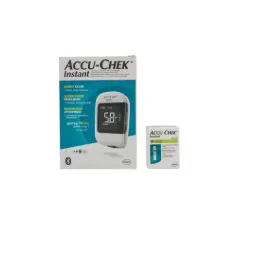
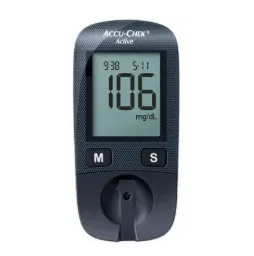
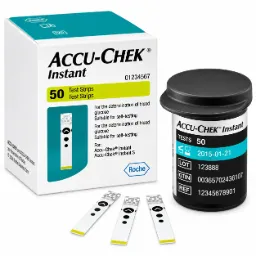
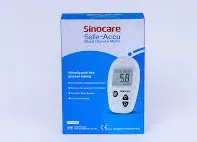
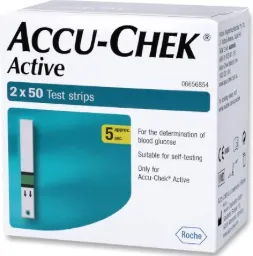
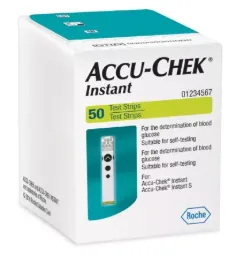
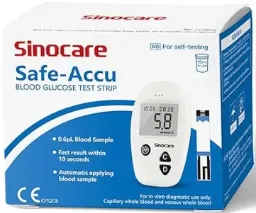
Brand names are not enough: Accu-Chek Active and Instant use different strips; Sinocare Safe AQ and Safe Accu must also be checked by exact model. Do not assume that any strip fits any meter or that any lancet fits any lancing device. Read the manufacturer’s instructions and check expiry dates, storage limits and pack contents. FDA: safe use of glucose meters. FDA: safe use of glucose meters.
How to check blood sugar with a glucometer.
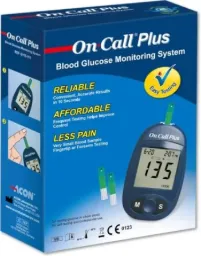
Eight small steps. One calmer routine. These illustrations use an On Call Plus meter and matching strips; follow the instructions supplied with your exact model. Ask a pharmacist, nurse or diabetes educator to demonstrate it with you.
- 01
Prepare your kit
Read your model’s instructions. Check the battery, date/time, measurement units and strip expiry. Have a fresh lancet and sharps container ready.
- 02
Wash and dry your hands
Wash hands with soap and water, then dry completely. Food or sugar on fingers can distort a reading. If alcohol is used as instructed, let it dry fully.
- 03
Insert a matching strip
Use a new, compatible strip. Insert it and wait for the meter’s ready signal, following the device-specific order.
- 04
Use the side of a fingertip
Use a fresh lancet on the side of a fingertip. Use the lowest effective depth; avoid forceful squeezing.
- 05
Let the strip collect the drop
Touch the strip’s sampling edge to the drop as directed. Let the meter finish; do not add extra blood unless its instructions allow it.
- 06
Record the reading and context
Record the number and units, time, meal timing and symptoms. This illustration shows 5.0 mmol/L (90 mg/dL), an example rather than a target for everyone. Your care team sets your testing schedule and personal targets.
- 07
Dispose of the lancet safely
Put the used lancet straight into a suitable sharps container. Never leave it loose or reuse it. Follow local disposal advice for blood-contaminated waste.
- 08
Keep your equipment personal
Do not share finger-prick devices, even with a new lancet. Clean the meter as its manufacturer directs; healthcare facilities need suitable shared-use equipment and disinfection protocols.
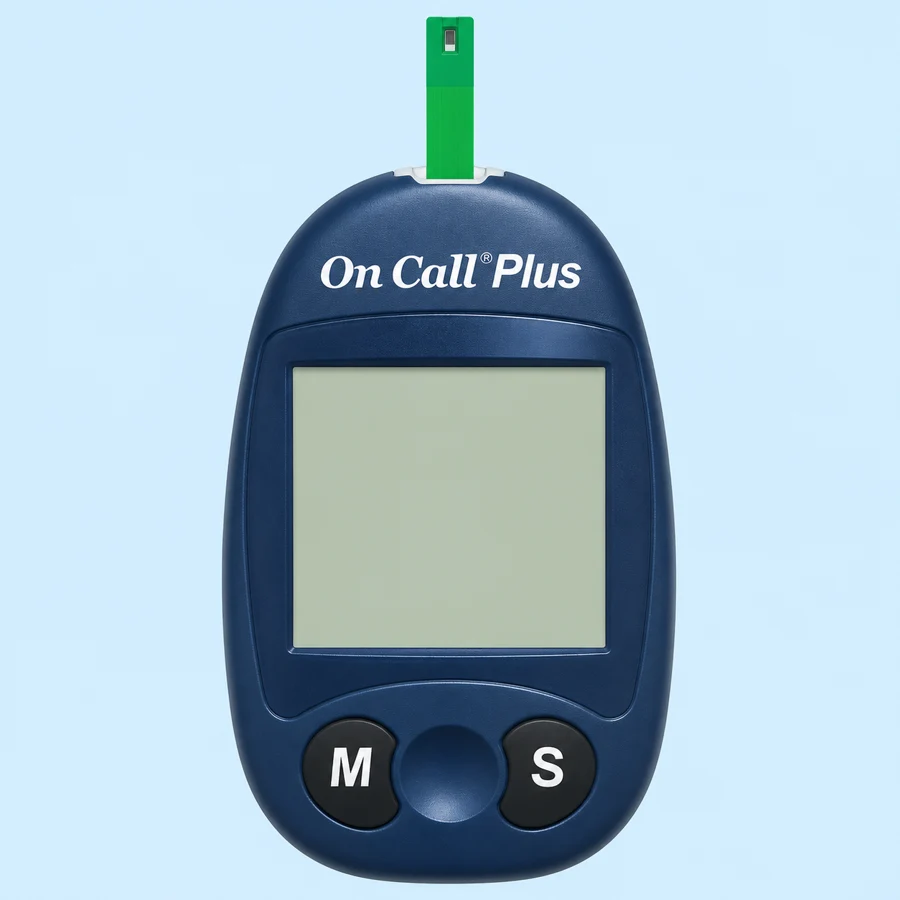
Illustrations are educational, not a substitute for the manufacturer’s instructions. Do not share lancing devices. If you feel seriously unwell, seek care rather than waiting for another reading.
Sources: CDC monitoring guide; FDA device guidance; CDC infection prevention.
The number needs a time, a unit and a plan.
Meters may display mmol/L or mg/dL. To convert approximately, divide mg/dL by 18 to get mmol/L. For example, 126 mg/dL is 7.0 mmol/L. Never compare a number without its units.
For non-pregnant adults, laboratory results in the diabetes range include fasting plasma glucose of at least 7.0 mmol/L (126 mg/dL) or HbA1c of at least 6.5%. Random plasma glucose of at least 11.1 mmol/L (200 mg/dL) is interpreted with classic symptoms or a hyperglycaemic crisis. These are diagnostic laboratory criteria, not everyone’s daily treatment targets. See diagnostic criteria and confirmation. See diagnostic criteria and confirmation.
If a result is unexpected and you otherwise feel well, wash and dry your hands and repeat with a new strip. Check expiry and instructions; contact your care team if the result remains unusual. Do not use repeat testing to delay help when you feel seriously unwell. Never adjust prescription medicines solely from this article.
Low, usual range, high.
What could the number mean?
Start with the units and when you last ate. These On Call Plus displays use mmol/L; the approximate mg/dL equivalents appear below. The examples are educational, not patient results. Targets vary with your care plan, age, medicines and pregnancy.
3.2 mmol/L · ≈58 mg/dL
Low: act promptly
Below 3.9 mmol/L (70 mg/dL) is low. An awake adult who can swallow should follow their hypo plan: take 15 g of fast-acting carbohydrate, wait 15 minutes and recheck; repeat if still low. Then have a meal or snack as advised. Children need individual amounts.
Severe confusion, a seizure or unconsciousness: give nothing by mouth and seek emergency help.
5.0 mmol/L · 90 mg/dL
A usual fasting-range example
This illustrative fasting reading falls within the usual fasting reference range. It does not prove you do not have diabetes. Home meters cannot diagnose or rule out diabetes; keep any recommended laboratory screening and follow-up.
If you have diabetes, compare readings with your own agreed targets. Pregnancy needs separate advice.
14.0 mmol/L · 252 mg/dL
High: follow your care plan
This is above common adult diabetes monitoring targets. If otherwise well, wash and dry hands, repeat with a fresh strip and get prompt clinical advice if it remains high. If you have diabetes, follow your sick-day and ketone-testing plan, especially if unwell. Do not improvise an insulin dose.
Vomiting, abdominal pain, deep or difficult breathing, fruity breath or confusion: seek urgent care immediately.
Do not delay urgent care to repeat a reading if you feel seriously unwell. A “normal-range” example is not a universal treatment target. Check whether your meter uses mmol/L or mg/dL before interpreting a result.
Sources: CDC: low blood sugar · MedlinePlus: fasting reference range · CDC: individual targets · CDC: urgent warning signs
Some readings and symptoms need urgent care.
Possible low blood sugar: below 3.9 mmol/L (70 mg/dL) needs prompt action. An awake adult who can swallow can take 15 g of fast-acting carbohydrate, recheck after 15 minutes and repeat if still low, following their care plan. Children need age-appropriate advice. Severe confusion, a seizure or unconsciousness is an emergency: give nothing by mouth and get urgent medical help. CDC: treating low blood sugar. CDC: treating low blood sugar.
Possible high-glucose emergency: vomiting, abdominal pain, fruity-smelling breath, deep or difficult breathing, severe drowsiness or confusion require urgent assessment. Do not wait for another home reading. A persistently very high result or a meter showing HI also needs prompt clinical advice. People with diabetes should follow their sick-day and ketone-testing plan. CDC: diabetic ketoacidosis. CDC: diabetic ketoacidosis.
A useful result should lead somewhere.
If you are postponing screening, choose a facility and ask about the test and full cost today. If you already monitor at home, take your meter and record book to your next appointment. Ask whether your technique, supplies and targets still fit your care plan.
A good plan includes more than glucose numbers: discuss meals, activity, prescribed treatment and follow-up for blood pressure, kidneys, eyes and feet. Diabetes-specific nutrition may be appropriate for some people after professional assessment; supplements are not a cure and do not replace a balanced diet or prescribed treatment.
Find the supplies.
Check the fit before you buy.
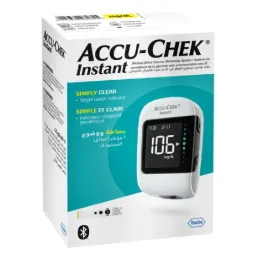
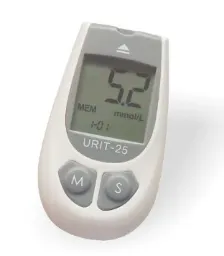
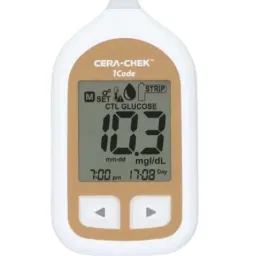
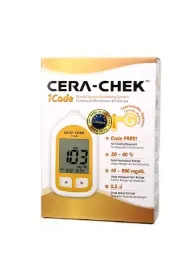
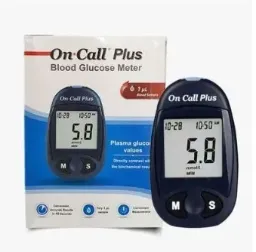
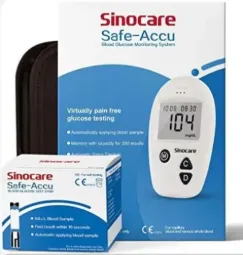
The directory below brings together the diabetes-specific and directly related listings identified in our published catalogue. Options are alternatives—not a shopping list to buy together. Stock and prices can change. Use the product page or WhatsApp to confirm availability, exact compatibility and what is included.
Meters and monitoring kits
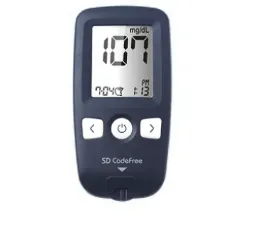
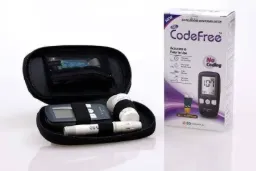
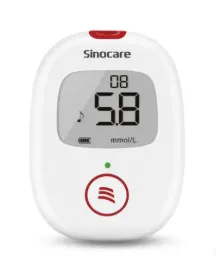
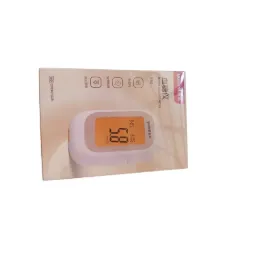
Compare the exact meter model, replacement strip cost and kit contents. A home meter supports monitoring; it does not confirm a diagnosis.
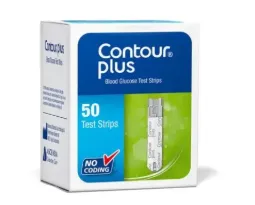
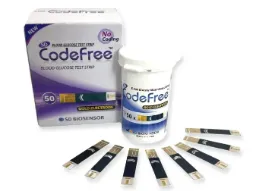
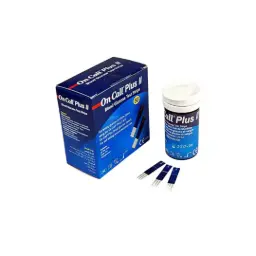
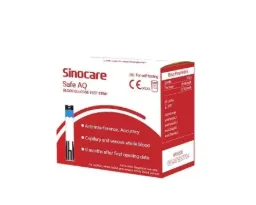
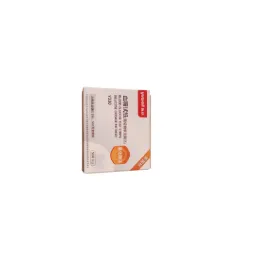
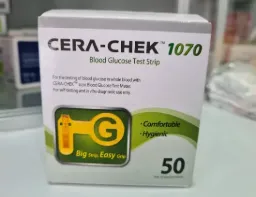
Test strips
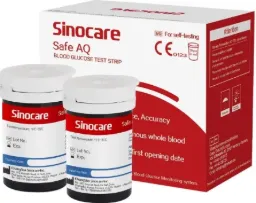
Match the model printed on the strip pack to your meter. Keep strips dry and sealed as directed.

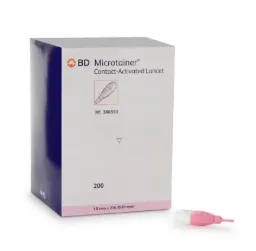
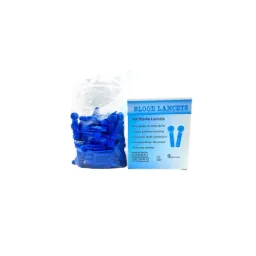
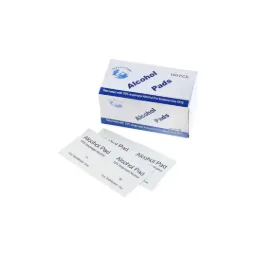
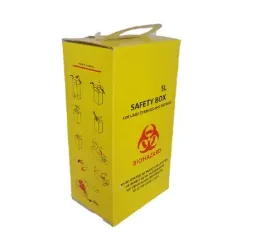
Lancets, lancing devices and safe disposal
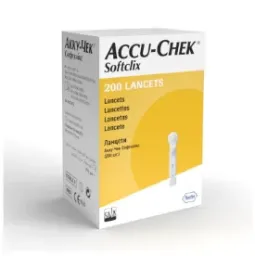
Lancets and finger-prick devices are personal-use supplies. Alcohol swabs do not replace washing and drying hands. Dispose of lancets in a suitable sharps container.

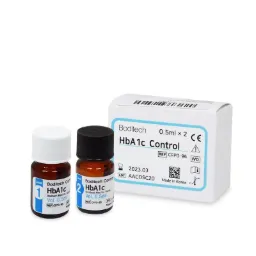
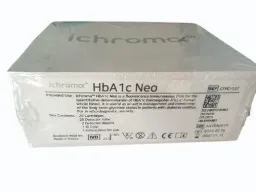
Laboratory glucose and HbA1c supplies
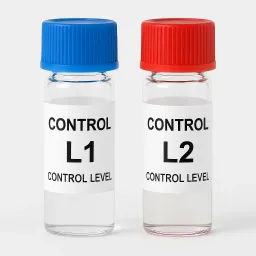
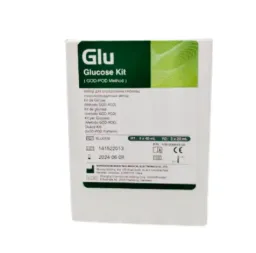
For trained laboratory and healthcare teams. Confirm analyser compatibility, quality control, validation and intended diagnostic use; these are not home finger-prick substitutes.
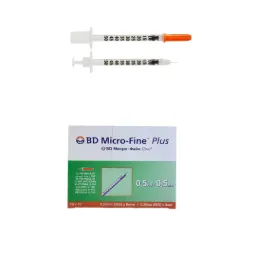
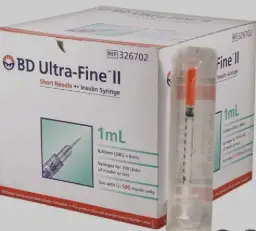
Insulin administration supplies
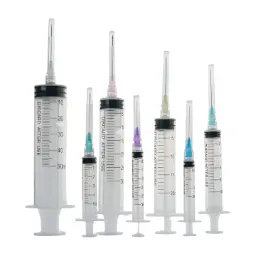
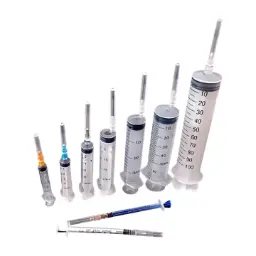
For people prescribed insulin and trained in its use. Ask a clinician to verify insulin concentration, syringe calibration and needle suitability. No dosing or injection instructions are provided here.
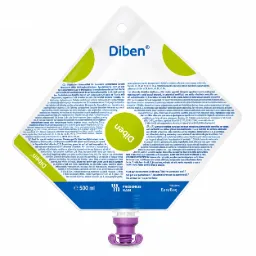
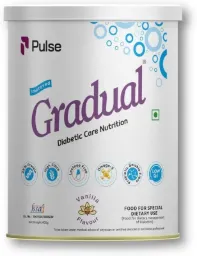
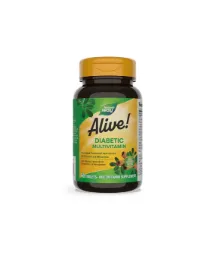
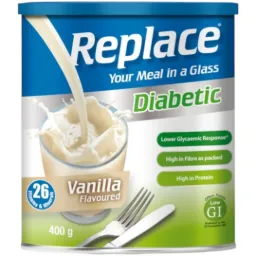
Diabetes nutrition and nutritional support
Use only where a clinician or dietitian identifies a need. Enteral formulas require an appropriate feeding plan. Multivitamins and nutritional products do not diagnose, prevent or cure diabetes.

Need help choosing the right supplies?
Share your meter model or a supply list. Ask Maesio to confirm compatibility, current prices and delivery arrangements. For diagnosis, symptoms or treatment changes, contact your healthcare professional.
Build your quotation → Ask on WhatsAppSources & editorial notes
- Kenya News Agency · Testing costs, 12 November 2026
- WHO · Diabetes questions and answers
- NIDDK · Diabetes tests and diagnosis
- CDC · Monitoring blood sugar
- FDA · Blood glucose monitoring devices
- CDC · Treating low blood sugar
- CDC · Diabetic ketoacidosis
- CDC · Blood glucose monitoring infection prevention
Checked 17 November 2026. Cover image is an illustrative AI-generated pharmacy scene, not a photograph of a real patient consultation. This article has not been presented as an individual clinical assessment. Product listings are not evidence that a product suits every reader.
