Diabetes can make a small blister easy to miss. A daily foot check helps you spot trouble early, even when your feet feel fine.
Already found a cut, blister, open sore, discharge, or a newly hot and swollen foot? Contact your diabetes clinic or nearest health facility today, even if it does not hurt. Go to a hospital emergency department immediately if a wound comes with fever, chills, rapidly spreading redness or darkening skin, or if a toe or foot turns black, suddenly pale or cold.
Why diabetes puts your feet at risk
Diabetes can damage the nerves that let you feel pain and heat. It can also reduce blood flow, which makes a wound harder to heal. A diabetic foot ulcer is an open sore. The daily habits below help prevent injuries and catch changes early.
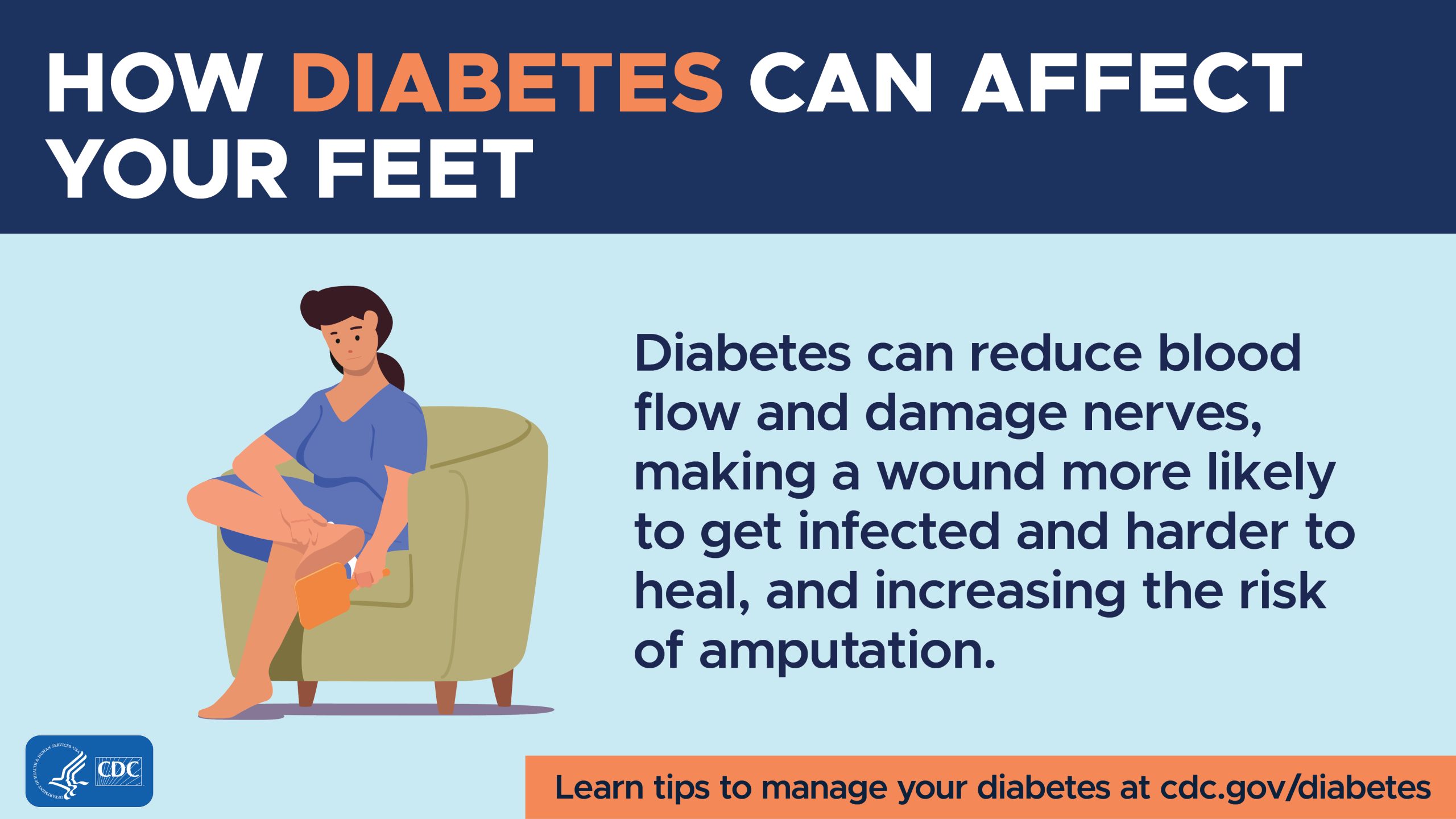
Illustration source: U.S. Centers for Disease Control and Prevention.
Your daily diabetic foot-care checklist
🔎 Check both feet
Look at the tops, soles, heels and between every toe. Use a mirror or ask someone to help. Look for cuts, cracks, blisters, swelling, unusual warmth, colour changes or fluid. On darker skin, a colour change can be subtle, so compare with the other foot and pay attention to warmth and swelling.
💧 Wash, dry and moisturise
Wash with lukewarm water and mild soap, then gently dry, especially between the toes. Skip soaking. Apply a thin layer of plain moisturiser to dry, intact skin on the tops and soles, keeping the spaces between your toes dry.
👟 Protect your feet indoors and outdoors
Wear clean socks and well-fitting protective shoes with room for your toes. Before putting shoes on, check inside for stones, rough seams or folded insoles. Avoid walking barefoot, even at home or in the compound. Ask your clinic about prescribed footwear if you have poor sensation, a foot deformity or a previous ulcer.
📅 Keep up with foot checks and glucose monitoring
Check your blood sugar as agreed with your diabetes team. Ask for a professional foot assessment at least once a year, or more often if your clinician advises. If you can see and reach your nails safely, trim them straight across and gently file sharp edges. Ask a trained professional for help with thick or ingrown nails, corns and calluses.
What to do if you find a new wound
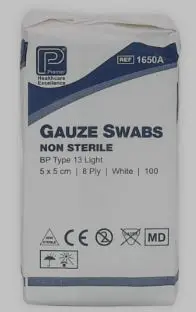
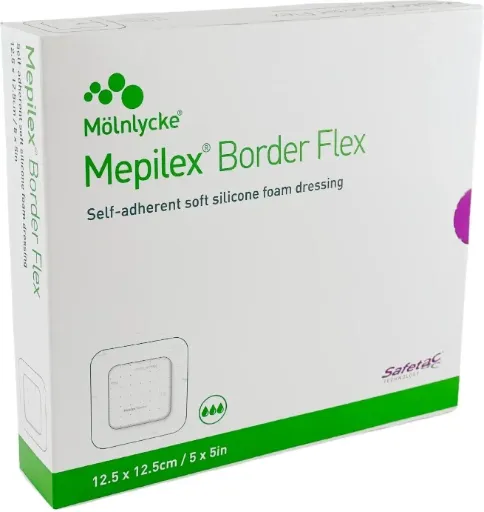
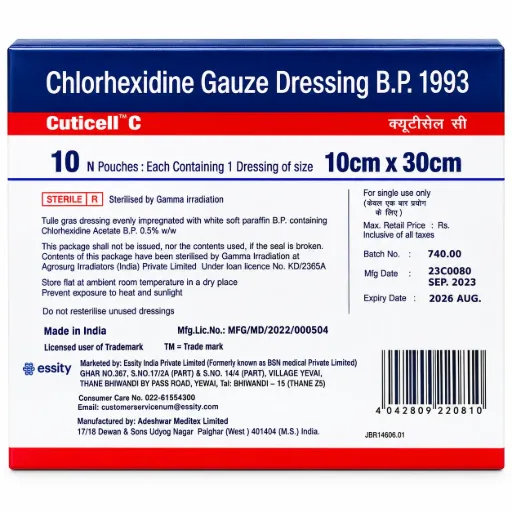
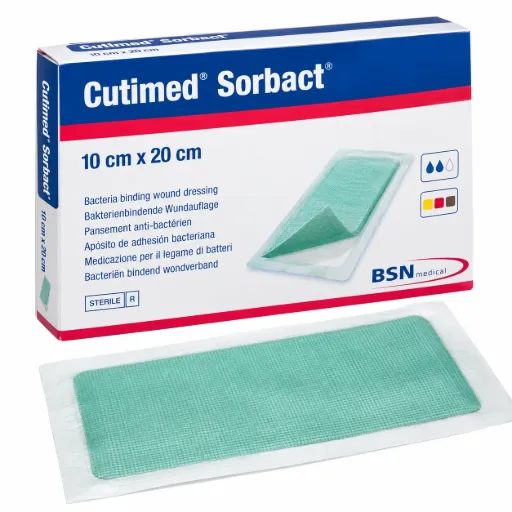
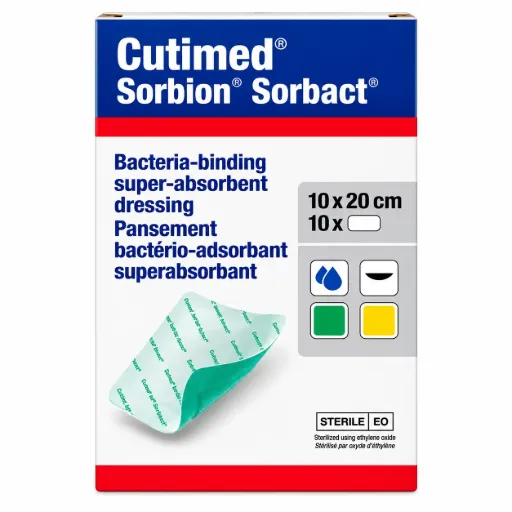
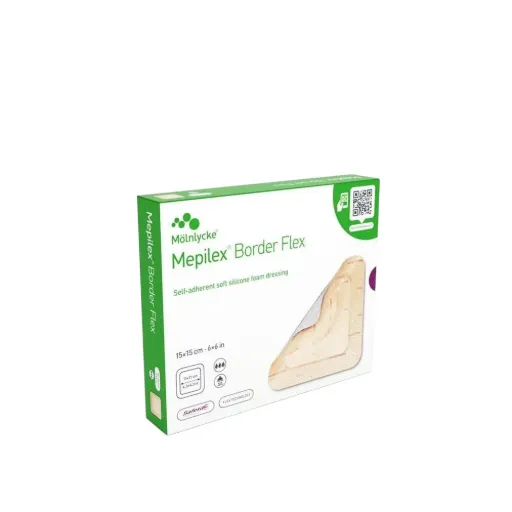
Call your diabetes clinic or nearest health facility the same day and tell them you have diabetes and a foot wound. While arranging care, avoid putting pressure on the area. If you already have a wound-care plan, follow the dressing and pressure-relief instructions from your clinician. Avoid cutting calluses, popping blisters, using corn-removal plasters or applying home remedies to the wound.
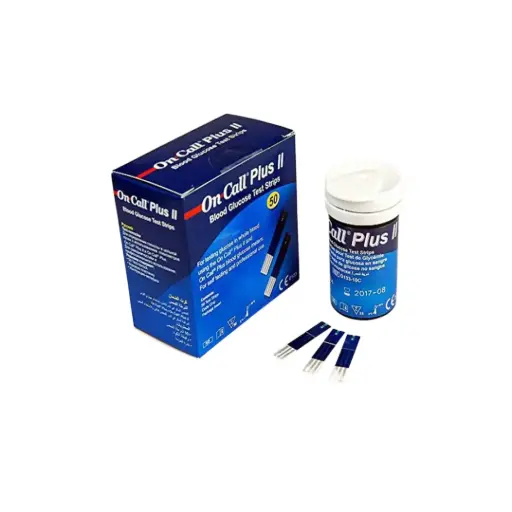
Glucose-monitoring supplies from Maesio
These supplies support your glucose-monitoring plan. A meter reading cannot tell you whether a foot wound is infected.
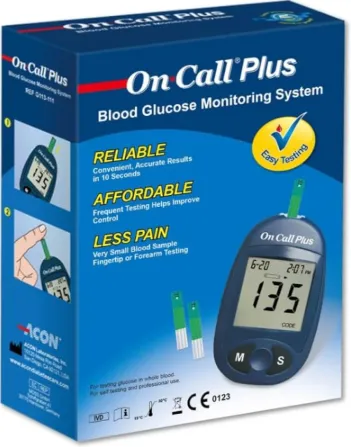
On Call Plus glucose monitoring kit
Includes the meter, test strips and lancets. Already have a meter? Check the exact model on its label before ordering refill strips.
View monitoring kit View On Call strips
Frequently asked questions
Can a diabetic foot ulcer heal with home care?
A new ulcer needs prompt assessment. The clinic can check circulation and infection, choose a dressing and advise how to take pressure off the wound. Follow the home-care plan your clinician gives you.
Should I wait if the blister does not hurt?
Contact a health facility today. Reduced sensation can hide pain from a blister or wound.