THE MAESIO JOURNAL · MEDICINE SAFETY
A fictional conversation at a Kenyan pharmacy counter.
Just before closing, a man laid an old blister pack on the counter. The foil had been folded so many times that the only word still legible was “tablets”.
“This one worked last time,” he said. “Today, give me the strongest antibiotic you have.”
“What symptoms are you having?” the pharmacist asked.
“Me? I’m fine. It’s for my daughter.”
That was the first thing the pharmacist needed to know. The next questions came quickly. How old was she? When did she start feeling unwell? What had she already taken? The father pulled out his phone and called home. For the first time that evening, someone asked the child how she was feeling.
Why pharmacists ask who the medicine is for
When you collect something for a child, a parent or a neighbour, the pharmacist may be meeting you with only half the story. A cough, for example, can have different causes. Antibiotics treat certain bacterial infections and have no effect on viruses that cause illnesses such as colds and flu. A previous prescription tells the pharmacist what someone was given on another occasion. The person’s symptoms today help determine what assessment or treatment they need now.
When an antibiotic is needed, the choice depends on the infection being treated and on the person taking it. For a child, age and weight can matter for dosing. A previous reaction to a medicine matters too. Unnecessary antibiotics can cause side effects and contribute to antibiotic resistance, which can make future bacterial infections harder to treat.
What to tell a pharmacist when you’re asking for someone else
- Who is unwell. Give their age and, for a child, their recent weight if known.
- What has changed. Describe the main symptoms, when they began and whether they are getting worse.
- What they have already taken. Bring the medicine pack or a clear photo, and say how much they took and when.
- Any known allergies or reactions. Describe what happened if they reacted to a medicine before.
If you’re unsure about a detail, say so. If possible, have the person or their caregiver available by phone. Depending on what you describe, the pharmacist may advise an in-person assessment.
What to do with an old antibiotic pack
Bring it along if it helps explain what was used before. If there are tablets left inside, leave them there. Avoid sharing antibiotics or saving them for another illness. If a clinician prescribes an antibiotic, take it exactly as directed and ask your pharmacist if any instruction is unclear.
The father slid the blister pack back into his pocket. He still wanted what he’d wanted when he walked in: for his daughter to feel better. Now he had a better question. “What does she need next?”
Further reading on safe antibiotic use from the CDC
Thermometers and scales from Maesio
Catalogue items for taking temperature and weight measurements.
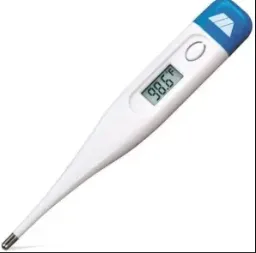
Digital Thermometer | Penrui Infrared Thermometer |
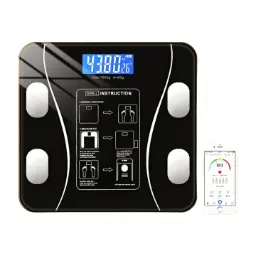
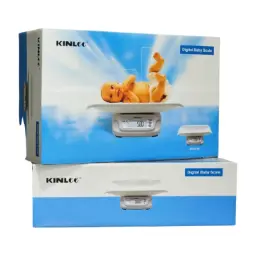
Digital Weighing Scale | Digital Baby Scale |