
Cover: AI-generated caregiving illustration; not a depiction of any reported incident.
THE MAESIO JOURNAL · HEALTH & HUMANITY
An ordinary evening. An extraordinary responsibility.
Some evenings begin with someone saying, “Take another picture.” Nobody imagines that, hours later, the most important picture might be a brain scan.
A medical emergency does not ask whether you have finished your plans. There may still be messages to answer, a business to open tomorrow, and someone expecting you home.
Then a person collapses.
Around them, explanations arrive quickly. Someone suspects the food. Someone remembers a drink. Someone has already appointed themselves chief investigator of the WhatsApp group.
The person on the floor needs urgent medical attention before the room needs a theory.
Can poisoning really act that quickly?
Yes. Some toxic exposures can cause rapid, life-threatening illness; others produce symptoms only after hours or days. Effects depend on the substance, the amount involved, how it entered the body and the person’s health.
Poisoning can cause confusion, breathing difficulties, seizures or unconsciousness. Those symptoms alone cannot prove poisoning or identify a substance. Sudden collapse can also have other causes, including heart rhythm problems, seizures and strokes. A frightening scene is the beginning of a medical investigation, not its conclusion.
The brain does not negotiate with oxygen
The brain needs a continuous supply of oxygen and nutrients. When breathing or circulation fails, that supply can be interrupted. Certain poisonings and medicine overdoses can cause this interruption, as can cardiac arrest, choking and other emergencies.
Severe oxygen deprivation can injure the brain within minutes, sometimes leaving lasting difficulties with movement, communication or awareness. Doctors call inadequate oxygen reaching the brain cerebral hypoxia.
The original emergency may pass, yet the injury it caused may remain. This explains a medical possibility. It does not tell us what happened to any particular person.
A photograph can show that someone needs care. It cannot explain why.
A caption cannot give a diagnosis
A video cannot identify a toxin. An old post about friendship cannot become a laboratory result. Medical conclusions require clinical assessment and appropriate investigations. Establishing whether someone deliberately caused harm requires evidence beyond the patient’s appearance.
There is room to take a family’s fears seriously while being honest about what remains unknown. Uncertainty is uncomfortable. Certainty invented for an audience can be cruel.
After the emergency, another life changes too
Imagine a family member becoming a caregiver almost overnight. Yesterday, they were asking whether you had eaten. Today, they are learning how to help you eat safely.
The calendar fills with appointments. Transport becomes a recurring expense. Work must fit around care. Sleep becomes something taken in instalments. Meanwhile, public attention moves on.
This is where philanthropy becomes practical: transport to appointments, contributions towards professionally recommended rehabilitation, a meal delivered, or time for an exhausted caregiver to rest. Support can be coordinated through a verified, family-approved channel.
Before sharing a distressing photograph, ask whether the person or their representative has consented. Before forwarding a fundraising appeal, check its authenticity. A person should not have to surrender their dignity to qualify for compassion.
If someone suddenly collapses
Seek emergency medical help immediately, especially if they are unresponsive, struggling to breathe or having a seizure.
- If they are unresponsive and not breathing normally, begin CPR and follow emergency-dispatch instructions.
- If unconscious but breathing normally, place them in the recovery position and monitor their breathing.
- If poisoning is suspected, do not induce vomiting or give food, drinks or home remedies.
- If safe, keep relevant packaging or containers for the medical team. Do not delay care to search for evidence.
The urgent question is: What help does this person need right now?
Who stays when the story stops trending?
A sudden illness can leave a family living inside a question nobody has answered. They may need medical explanations and an investigation. They may also need someone to collect a prescription, pay for transport, sit beside a bed, or ask the caregiver how they are coping—and wait for an honest answer.
We do not need every answer before we offer that kind of help.
Sometimes compassion is quiet enough to miss online. It still shows up tomorrow.
Practical essentials for ongoing care
These five Maesio products relate to mobility, assisted transfers and everyday bedside care. They do not treat poisoning or reverse brain injury. Choose equipment with the treating team’s guidance and appropriate caregiver training.
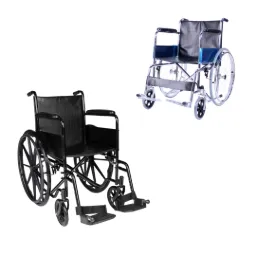
Wheelchair StandardMOBILITY · EVERYDAY SUPPORT A mobility option to discuss when planning supported movement and daily activities. Fit, seating support and transfer needs should be assessed individually. | Commode Chair With WheelsASSISTED TOILETING · DIGNITY IN CARE An option for assisted toileting where the care team considers it suitable. Follow the product instructions and safe transfer techniques. |
Reusable UnderpadsBEDSIDE CARE · BEDDING PROTECTION For bedding protection during everyday care. Change and clean as directed; underpads do not replace skin checks, hygiene or a pressure-care plan. | Patient Lifting & Support BeltASSISTED TRANSFERS · TRAINING REQUIRED An assisted-mobility accessory for suitable patients after assessment and hands-on training. It is not a substitute for a hoist or adequate assistance. |
Plastic BedpanBEDSIDE TOILETING · DAILY CARE A bedside toileting option for people who cannot safely access a toilet, selected and used according to their care plan. | A care plan comes first.Ask the treating team which equipment is suitable and what caregiver training is needed. These products do not treat poisoning or reverse brain injury. |




Medical reading
Health information disclaimer: This article provides general health education and humanitarian commentary. It is not medical advice and must not be used to diagnose poisoning, identify a substance, predict recovery or guide treatment. It does not assess any named person’s condition or endorse allegations against anyone. Suspected poisoning or sudden collapse requires immediate professional medical attention.
MAESIO PHARMACEUTICALS LTD
Care for you. Supplies for better care.