
THE MAESIO JOURNAL / HEALTH NEWS & ALERTS · 29 OCTOBER 2026
Better healthcare is built before the next emergency.
A clinic that can keep seeing patients during a disruption is doing something remarkable. Its strength comes from people, dependable equipment, clear information and supplies that arrive when they are needed.
Anticipate.
Plan for disruption before it arrives.
Adapt.
Keep essential care moving.
Sustain.
Invest in people and dependable systems.

Illustrative Maesio laboratory image; not a photograph of the World Health Summit.
The global conversation: from response to readiness
The World Health Summit took place in Berlin and online from 11–13 October 2026 under the theme “From Crisis to Resilience: Innovating for Health.” Its published programme covered pandemic preparedness, future-ready health systems, women’s and children’s health, conflict and environmental pressures.
The organisers describe innovation broadly: technology matters, alongside financing, governance, partnerships and how care is delivered. That gives Kenya’s healthcare community a useful question to explore: which changes would help essential services continue when normal operations are disrupted?
Explore the official summit overview → · Read the published programme highlights →
For Kenya, the opportunity is to turn ambitious ideas into dependable everyday care.The sections below are Maesio’s analysis of practical possibilities, rather than announced Kenyan policies or confirmed outcomes of the summit.
1. Bring useful diagnostics closer to the patient
Innovation can begin with a shorter journey to a reliable test. For a facility, the starting point is to identify which investigations its patients need, what can safely be provided locally, and when referral is the better option.
A new analyser is only one part of that decision. Staff competence, quality control, reagents, sample handling, maintenance and a clear pathway for acting on results all belong in the plan. Buying equipment without these supporting arrangements can leave an impressive machine with limited practical value.
2. Use digital tools to support real decisions
A digital system is useful when it helps the team do something better: notice low stock, retrieve a patient’s history appropriately, follow up a referral or identify a machine due for servicing.
Before adding another application, define the problem and the people responsible for responding. Consider privacy, access controls and what happens when connectivity fails. The measure of success should be a better care process, with staff able to use and trust the information.
3. Treat continuity of care as a design requirement
Facilities can ask what would happen if a key supplier were delayed, the power failed or an essential device stopped working. Those questions can guide contingency planning, appropriate stock levels, service arrangements and referral partnerships.
For oxygen-dependent services, for example, equipment selection should sit alongside a clinician-led oxygen plan, power planning, maintenance and an appropriate backup arrangement. A concentrator is one component of a clinical service; its presence alone does not establish readiness.
4. Invest in people alongside equipment
A working device still needs someone who knows when and how to use it. Include user training, handover, cleaning instructions and fault reporting in the purchase process. Make responsibilities clear between clinical teams, procurement staff, suppliers and biomedical support.
Short, practical refreshers can help preserve knowledge when teams change. Keep manuals and service records accessible, and make it easy for staff to raise concerns before a fault disrupts care.
5. Make innovation affordable to keep using
The most advanced option may be difficult to sustain if its consumables, software fees or replacement parts are unaffordable. Compare the full cost of ownership and the support available locally.
A facility’s best investment may be a modest improvement that works consistently: a suitable blood pressure monitor, a dependable stock process or a planned maintenance schedule. The right choice depends on the service, its patients and the resources available.
A practical starting point for your facility
| Priority | First question to ask |
|---|---|
| Diagnostics | Which essential tests can we deliver reliably, and which need referral? |
| Digital information | What decision will this system improve, and who acts on the information? |
| Essential equipment | What is our plan for a fault, delayed supply or power interruption? |
| Workforce | Who needs training, and how will we maintain competence? |
| Budget | Can we fund operation, consumables and servicing throughout its useful life? |
What progress could look like in Kenya
For patients, resilience could mean fewer interrupted appointments and clearer referral routes. For healthcare workers, it could mean functional tools, usable information and dependable support. For facility owners, it could mean planning purchases around a service that can be sustained.
Global meetings can frame the ambition. The local work is to choose a clear problem, involve the right people, test a practical improvement and measure whether care becomes more reliable.
EXPLORE MAESIO / EQUIPMENT FOR EVERYDAY READINESS
Practical tools. Better-prepared facilities.
Explore four catalogue options for monitoring, oxygen support and laboratory planning. Confirm specifications, clinical suitability, availability and support with our team.
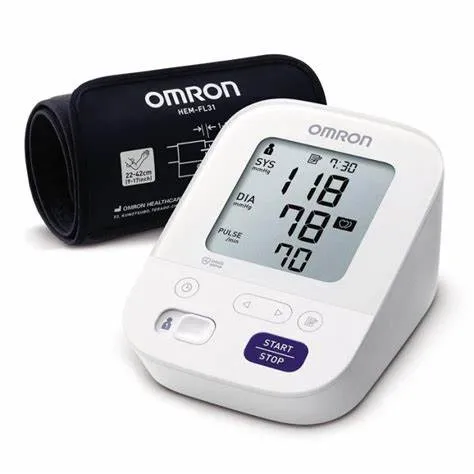
Omron M2 Blood Pressure Machine
Confirm cuff suitability and measurement technique for your care setting.
Explore product ↗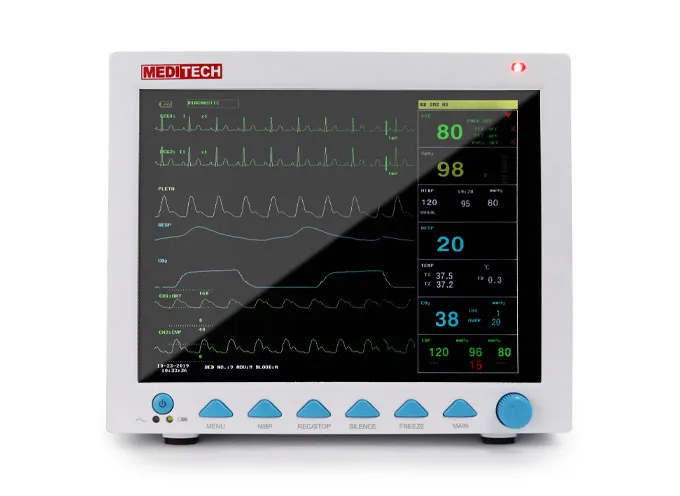
Meditech Patient Monitor with Stand
Review monitoring parameters, accessories, training and service support.
Explore product ↗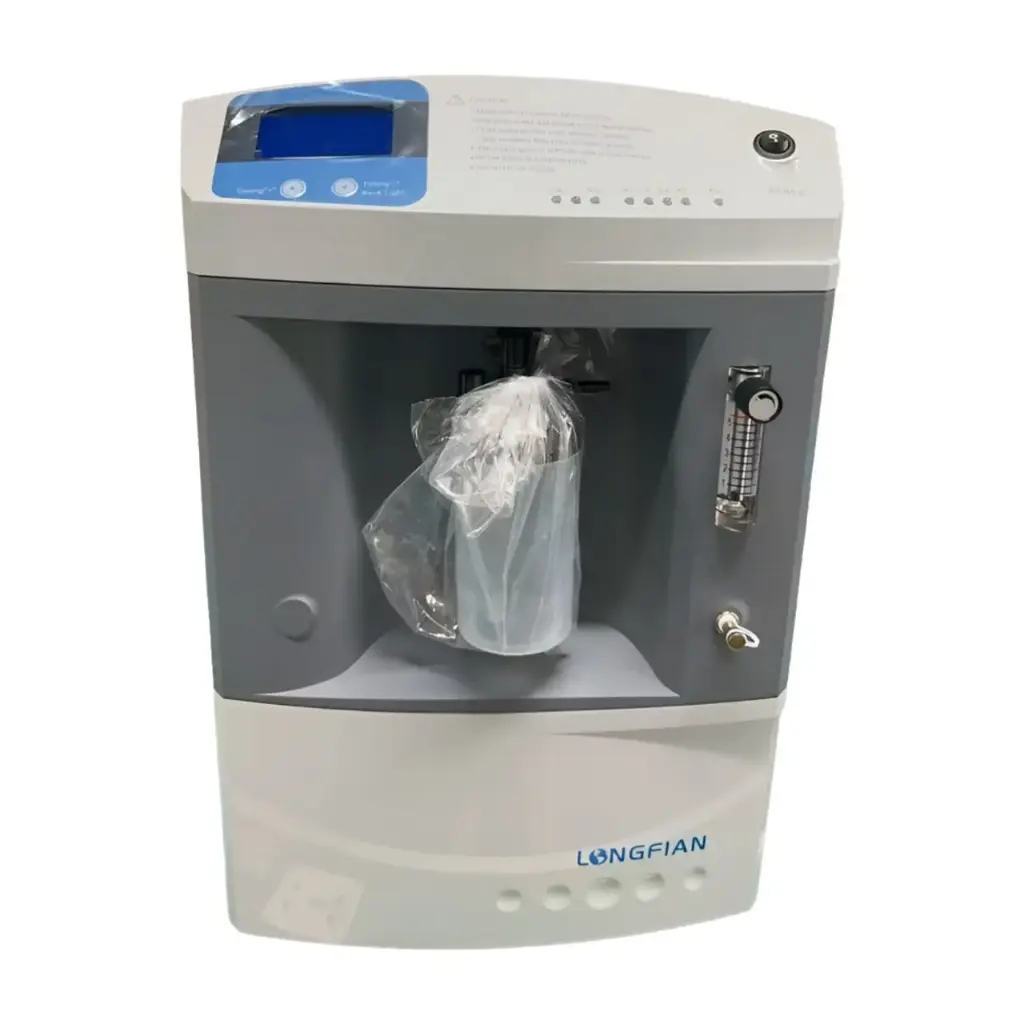
Longfian 5L Oxygen Concentrator
Plan prescribed oxygen needs, reliable power and suitable backup provision.
Explore product ↗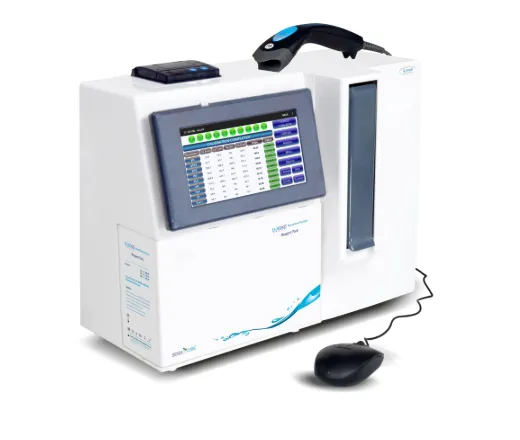
Blood Gas Analyzer
Include operator training, quality control, consumables and maintenance.
Explore product ↗YOUR LIST. OUR NEXT CONVERSATION.
Plan your facility’s next step.
Share your requirements with Maesio for product information, availability and a quotation.
Discuss your equipment list ↗Care for you. Supplies for better care.
Sources & editorial context
World Health Summit 2026 · Official overview ↗
Published programme highlights · 24 August 2026 ↗
Published by Maesio on 29 October 2026. The Kenya-focused discussion is editorial analysis. Product links do not imply summit endorsement or guarantee availability. Clinical selection and use require qualified professional guidance.
THE MAESIO JOURNAL / HEALTH NEWS & ALERTS · 29 OCTOBER 2026
Better healthcare is built before the next emergency.
A clinic that can keep seeing patients during a disruption is doing something remarkable. Its strength comes from people, dependable equipment, clear information and supplies that arrive when they are needed.
Anticipate.
Plan for disruption before it arrives.
Adapt.
Keep essential care moving.
Sustain.
Invest in people and dependable systems.
Illustrative Maesio laboratory image; not a photograph of the World Health Summit.
The global conversation: from response to readiness
The World Health Summit took place in Berlin and online from 11–13 October 2026 under the theme “From Crisis to Resilience: Innovating for Health.” Its published programme covered pandemic preparedness, future-ready health systems, women’s and children’s health, conflict and environmental pressures.
The organisers describe innovation broadly: technology matters, alongside financing, governance, partnerships and how care is delivered. That gives Kenya’s healthcare community a useful question to explore: which changes would help essential services continue when normal operations are disrupted?
Explore the official summit overview → · Read the published programme highlights →
For Kenya, the opportunity is to turn ambitious ideas into dependable everyday care.The sections below are Maesio’s analysis of practical possibilities, rather than announced Kenyan policies or confirmed outcomes of the summit.
1. Bring useful diagnostics closer to the patient
Innovation can begin with a shorter journey to a reliable test. For a facility, the starting point is to identify which investigations its patients need, what can safely be provided locally, and when referral is the better option.
A new analyser is only one part of that decision. Staff competence, quality control, reagents, sample handling, maintenance and a clear pathway for acting on results all belong in the plan. Buying equipment without these supporting arrangements can leave an impressive machine with limited practical value.
2. Use digital tools to support real decisions
A digital system is useful when it helps the team do something better: notice low stock, retrieve a patient’s history appropriately, follow up a referral or identify a machine due for servicing.
Before adding another application, define the problem and the people responsible for responding. Consider privacy, access controls and what happens when connectivity fails. The measure of success should be a better care process, with staff able to use and trust the information.
3. Treat continuity of care as a design requirement
Facilities can ask what would happen if a key supplier were delayed, the power failed or an essential device stopped working. Those questions can guide contingency planning, appropriate stock levels, service arrangements and referral partnerships.
For oxygen-dependent services, for example, equipment selection should sit alongside a clinician-led oxygen plan, power planning, maintenance and an appropriate backup arrangement. A concentrator is one component of a clinical service; its presence alone does not establish readiness.
4. Invest in people alongside equipment
A working device still needs someone who knows when and how to use it. Include user training, handover, cleaning instructions and fault reporting in the purchase process. Make responsibilities clear between clinical teams, procurement staff, suppliers and biomedical support.
Short, practical refreshers can help preserve knowledge when teams change. Keep manuals and service records accessible, and make it easy for staff to raise concerns before a fault disrupts care.
5. Make innovation affordable to keep using
The most advanced option may be difficult to sustain if its consumables, software fees or replacement parts are unaffordable. Compare the full cost of ownership and the support available locally.
A facility’s best investment may be a modest improvement that works consistently: a suitable blood pressure monitor, a dependable stock process or a planned maintenance schedule. The right choice depends on the service, its patients and the resources available.
A practical starting point for your facility
| Priority | First question to ask |
|---|---|
| Diagnostics | Which essential tests can we deliver reliably, and which need referral? |
| Digital information | What decision will this system improve, and who acts on the information? |
| Essential equipment | What is our plan for a fault, delayed supply or power interruption? |
| Workforce | Who needs training, and how will we maintain competence? |
| Budget | Can we fund operation, consumables and servicing throughout its useful life? |
What progress could look like in Kenya
For patients, resilience could mean fewer interrupted appointments and clearer referral routes. For healthcare workers, it could mean functional tools, usable information and dependable support. For facility owners, it could mean planning purchases around a service that can be sustained.
Global meetings can frame the ambition. The local work is to choose a clear problem, involve the right people, test a practical improvement and measure whether care becomes more reliable.
EXPLORE MAESIO / EQUIPMENT FOR EVERYDAY READINESS
Practical tools. Better-prepared facilities.
Explore four catalogue options for monitoring, oxygen support and laboratory planning. Confirm specifications, clinical suitability, availability and support with our team.
Omron M2 Blood Pressure Machine
Confirm cuff suitability and measurement technique for your care setting.
Explore product ↗Meditech Patient Monitor with Stand
Review monitoring parameters, accessories, training and service support.
Explore product ↗Longfian 5L Oxygen Concentrator
Plan prescribed oxygen needs, reliable power and suitable backup provision.
Explore product ↗Blood Gas Analyzer
Include operator training, quality control, consumables and maintenance.
Explore product ↗YOUR LIST. OUR NEXT CONVERSATION.
Plan your facility’s next step.
Share your requirements with Maesio for product information, availability and a quotation.
Discuss your equipment list ↗Care for you. Supplies for better care.
Sources & editorial context
World Health Summit 2026 · Official overview ↗
Published programme highlights · 24 August 2026 ↗
Published by Maesio on 29 October 2026. The Kenya-focused discussion is editorial analysis. Product links do not imply summit endorsement or guarantee availability. Clinical selection and use require qualified professional guidance.