
On a Friday morning during Eid ul-Fitr, I received one of those calls that changes you forever.
It came from one of our hospital clients, though in truth, I prefer to call them our partners. In healthcare supply, our work has never been just business. It is personal. We carry emergencies with them. We feel their pressure. We pray for their patients as though they were our own.
That morning, the call was about two twin babies admitted in the Newborn Unit. They had been born premature, tiny, fragile, and underweight. They had just been referred from another facility, and there was an urgent injection they desperately needed. Without it, I was told, the babies might not survive the day.
I froze.
The injection they needed was extremely rare. In Kenya, only two brands were available. At that moment, we did not have it in stock. The hospital had already searched everywhere they could think of and had come up empty. By the time they called me, I was their last hope
I was at home when I picked up the call. I told them, “Let me make some calls.”
And then I began.
I called everywhere I could think of. Left, right, and center. Some people told me they had never even heard of the injection. Others said they had never stocked it. Because it was a holiday, many places were closed. Still, I kept going. I refused to accept that two babies’ lives could end simply because a drug could not be found.
After hours of searching, sometime around noon, I finally found a pharmacy that said they had it in stock. I immediately informed the hospital that we had found it and that we could dispatch right away.
But then came another problem.
The babies were in Western Kenya, and time was running out. They needed the medication by around 4:00 or 5:00 p.m., yet most road transport options would take six to eight hours. Still, I pushed ahead. I sent our rider to collect the injection and arrange dispatch.
Then came the blow that nearly broke me.
When the rider arrived, he was told that both vials were expired.
My head spun.
At the same time, the calls kept coming.
“Have you managed?”
“Has it been dispatched?”
“Is it on the way?”
I did not tell the client immediately that the stock was expired. To some, that may sound wrong. But at that moment, I could not bring myself to crush the only hope they were holding onto. I was not hiding the truth out of carelessness. I was buying time for a miracle. My heart was in the right place, even though the pressure was unbearable.
So I started again.
I contacted the company linked to the expired stock and asked whether they could help. A lady answered and explained that they were closed for the holiday and would only reopen on Monday. Worse still, she told me that the injection had been out of stock from their side for a whole month.
Still, she offered one small lead. She suggested I check with hospitals they had previously supplied, in case any still had remaining stock. She gave me a list, and I started calling one facility after another.
Each response felt like another door shutting in my face.
One vial only.
Out of stock.
We do not sell outside the hospital.
We cannot help.
This was not just any ordinary medicine. It was a very expensive, life-saving injection, costing about KES 50,000 per vial, and I needed two.
By then, evening was drawing closer. The clock was moving faster than my thoughts. I had already told the hospital that the medication had been sent, not because I wanted to lie, but because I needed them to hold on a little longer. Sometimes hope is all people have while you are still fighting for the answer.
Then something clicked.
I decided to go deeper. I began searching online through import and export data, trying to trace anyone who might have recently brought in the drug. I was no longer searching like a pharmacist or a supplier. I was searching like someone chasing life itself.
Eventually, I found the name of a recent importer.
I called the numbers I found. Most were off. I called friends and asked whether they knew anyone from that company. One contact led to another. Finally, I reached someone who confirmed they had the injection, even though the office was closed.
I begged them for the number of their boss.
When I called, an Indian lady answered. It was nearly 2:00 p.m. on a holiday, and she was attending a function somewhere in Nairobi. She told me they were closed and that their office was about 30 minutes away. I explained everything to her. The two premature twins. The newborn unit. The emergency. The race against time.
And God bless her heart, she agreed.
Because she had the keys, she went to their warehouse and organized the medication. Within about 30 minutes, it had been secured, and our rider picked it up.
That moment felt like light breaking through a storm.
But the battle was still not over.
Now it was a race against time. I called air courier services to see whether there was a flight leaving for Western Kenya soon. There was one at around 5:30 p.m., but it required paperwork, prior booking, and processes we simply did not have time for. Every option seemed to demand time we no longer had.
So I made the next call.
I instructed my team to send it through Western couriers, even though it meant the medication might only arrive around midnight. At the same time, I kept calling the hospital, checking on the babies, praying silently between conversations, and hoping they would hold on just a little longer.
Then Nairobi unleashed those heavy Friday rains.
The roads slowed. Everything became harder. Every minute felt heavier than the last.
But somehow, through the calls, the wrong leads, the expired stock, the closed offices, the holiday, the rain, the transport chaos, and the compassion of strangers, the babies got the medication.
And those two tiny lives were given a fighting chance.
More Than a Delivery
That day reminded me that in healthcare supply, we are not just moving products.
We are moving hope.
We are carrying families’ prayers in cartons, vials, and dispatch bags. Behind every urgent call is a mother in tears, a doctor under pressure, a ward holding its breath, and sometimes, a life hanging by a thread.
Friday was exhausting. It was stressful. It was emotional. But above all, it reminded me why we do what we do.
Because sometimes, saving a life is not loud.
Sometimes it looks like endless phone calls.
Sometimes it looks like refusing to give up.
Sometimes it looks like chasing one rare injection across a city on a holiday in the rain.
And sometimes, it looks like two tiny premature twins living to see another day.
That is the kind of work that humbles you.
That is the kind of moment that stays with you forever.
Saving a life is everything.
— Justina
Operations
Maesio Pharmaceuticals Ltd
Newborn-care equipment for your facility
Explore four Maesio product listings for your maternity and newborn-care supply plan. These are related catalogue options, not the unnamed injection in the story. Confirm specifications, clinical suitability and current availability with our team.
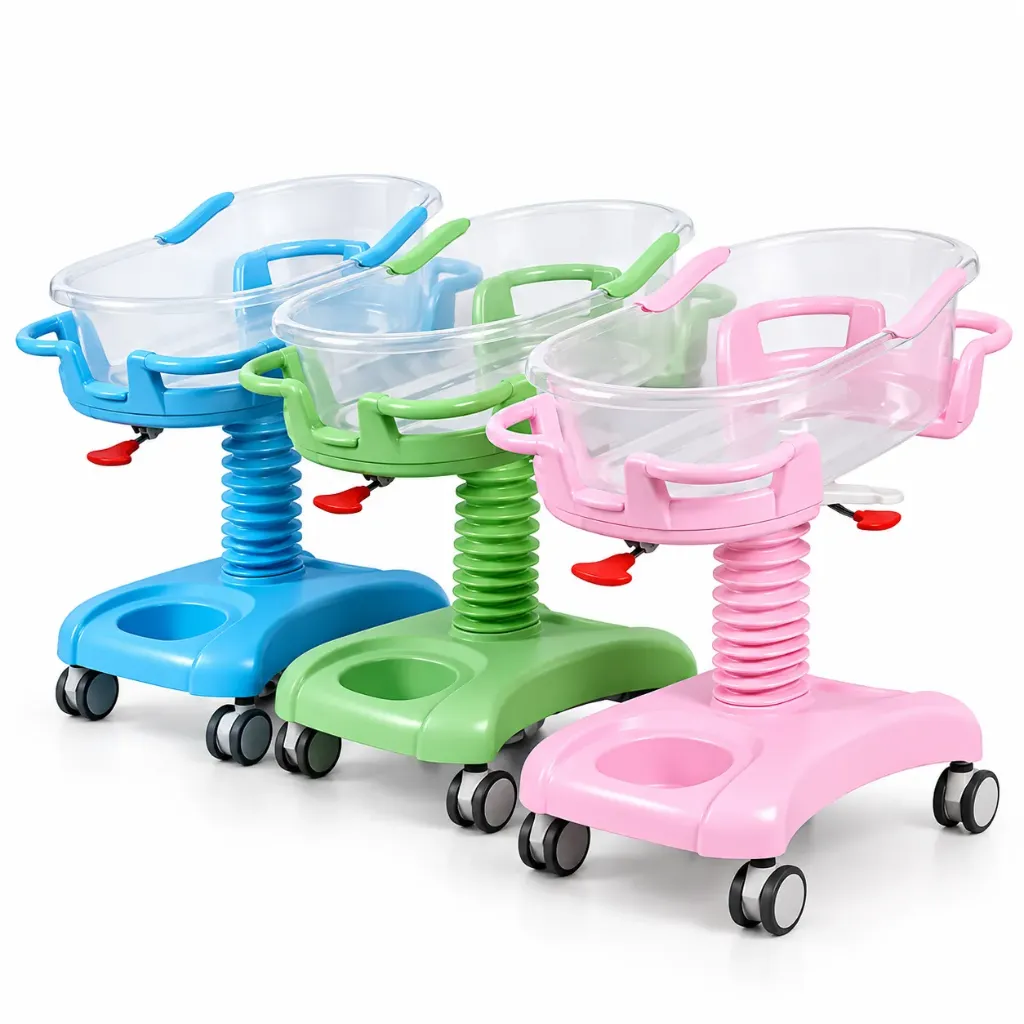 ABS Baby BassinetExplore the bassinet listing for your maternity or newborn-care facility. | 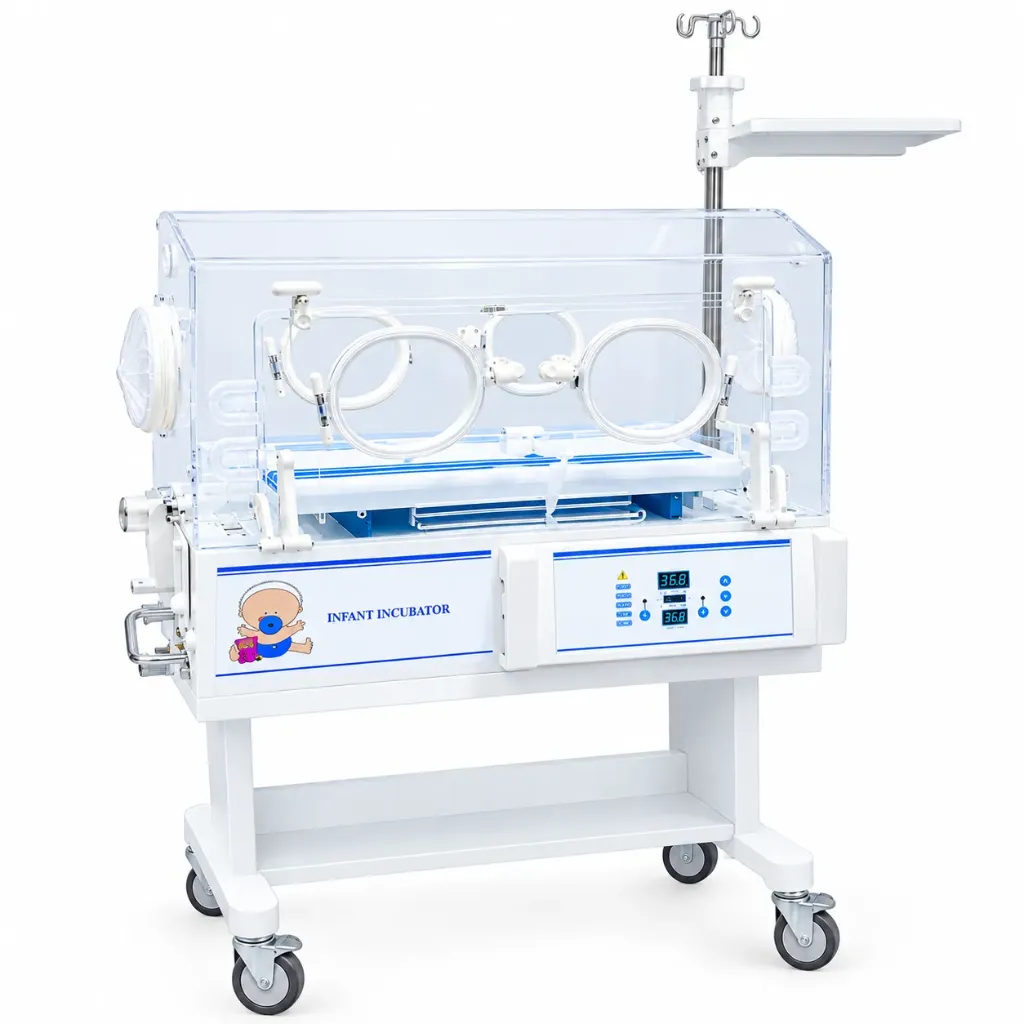 Baby Incubator B-800Review the B-800 incubator listing, specifications and facility requirements. |
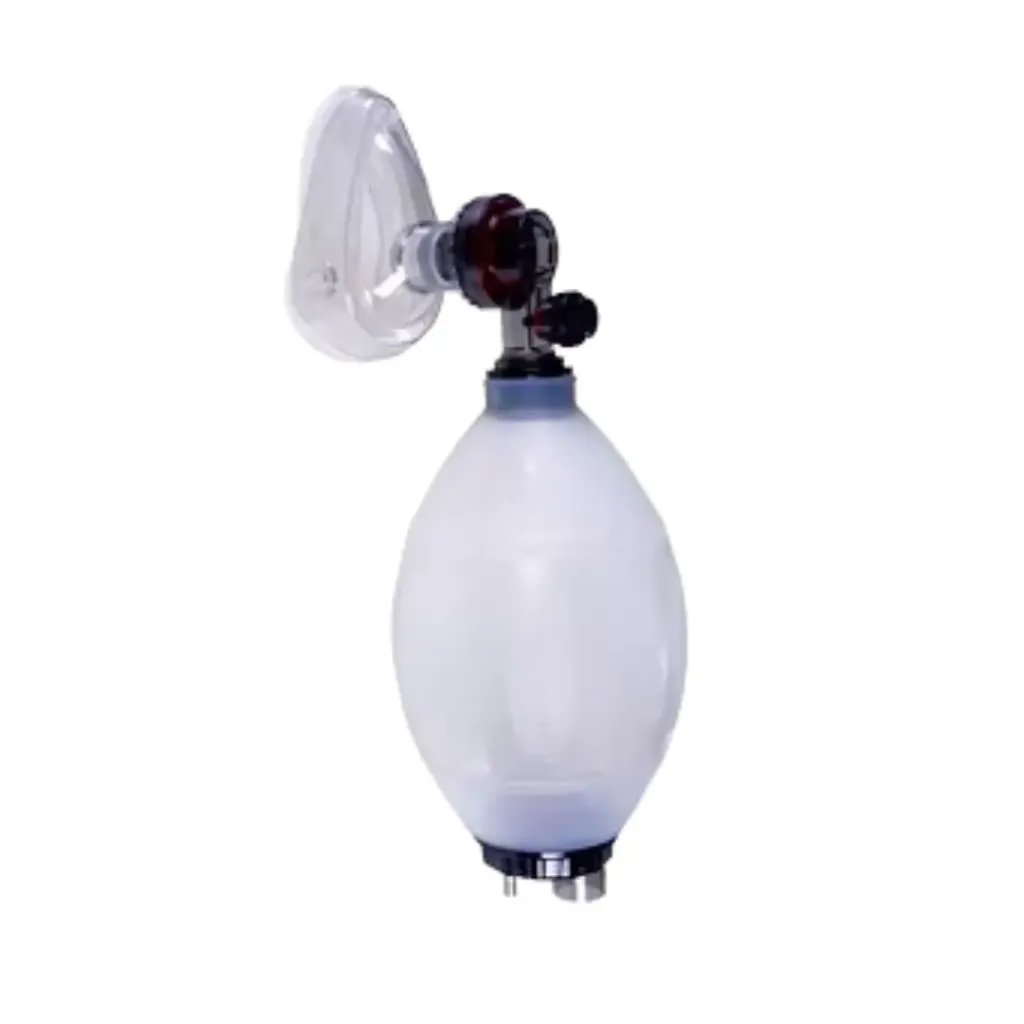 Infant Silicone ResuscitatorReview the infant silicone resuscitator listing for use by trained clinical teams. | 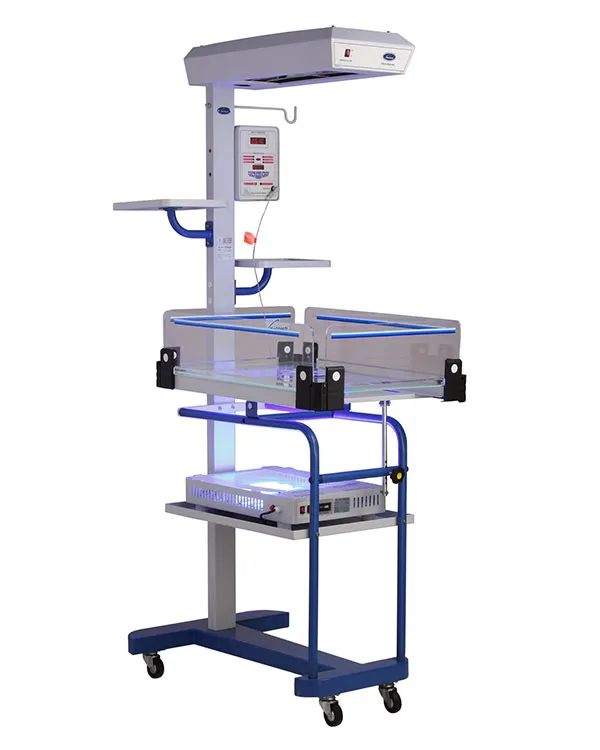 Infant Warmer with PhototherapyExplore the combined warmer and phototherapy listing for clinical facility use. |
Send us your facility supply list
Our team can help with product information and a quotation. For a patient emergency, contact the treating clinical team immediately.
Enquire about newborn-care products on WhatsApp ↗
Cover: illustrative image created for this story.